
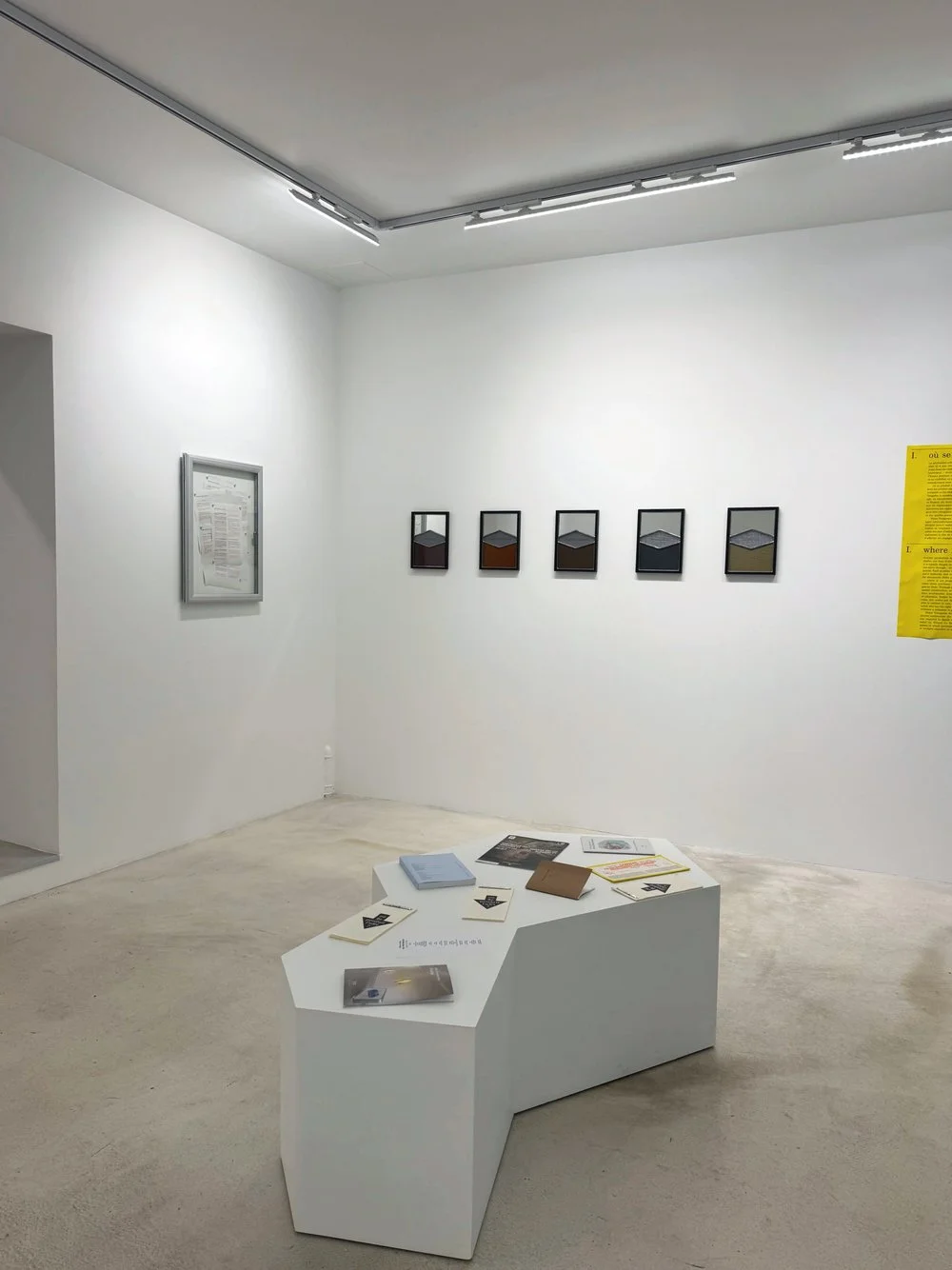
Inside Galerie Nicolas Salloum
Few galleries operate quite like Galerie Nicolas Salloum. Founded by psychiatrist and gallerist Nicolas Salloum, the Paris space explores the intersection between contemporary art and mental health. From Monday to Wednesday, the space functions as a psychiatric practice. From Thursday onward, it remains open to the public as a contemporary art space. Rather than treating these identities as separate, Salloum sees the gallery as an opportunity to explore how art, environment and the imagination can contribute to our understanding of mental health. I spoke with Nicolas about the origins of the gallery, his creative approach to care, and the duality that comes with moving between the roles of psychiatrist and gallerist.
Why was opening a gallery something you wanted to pursue?
I’ve always wanted to open a space because I think it’s the best way for me to express what I fundamentally want to express: dialogue, interaction, exchange and, more broadly, a kind of harmony between artists and different forms of artistic expression. I’ve always experienced things through the idea of space. I understand the world, and even my own personal existence, through spaces: spaces that can evolve, change, be restructured, have several functions, or mix genres and audiences.
Before the gallery, I felt constrained because I couldn’t physically hang things, exhibit them, rearrange them or think about things spatially. There was nothing concrete to work with. It’s a little bit like modeling clay: you first create a foundation—something you can shape—and then you construct things from there.
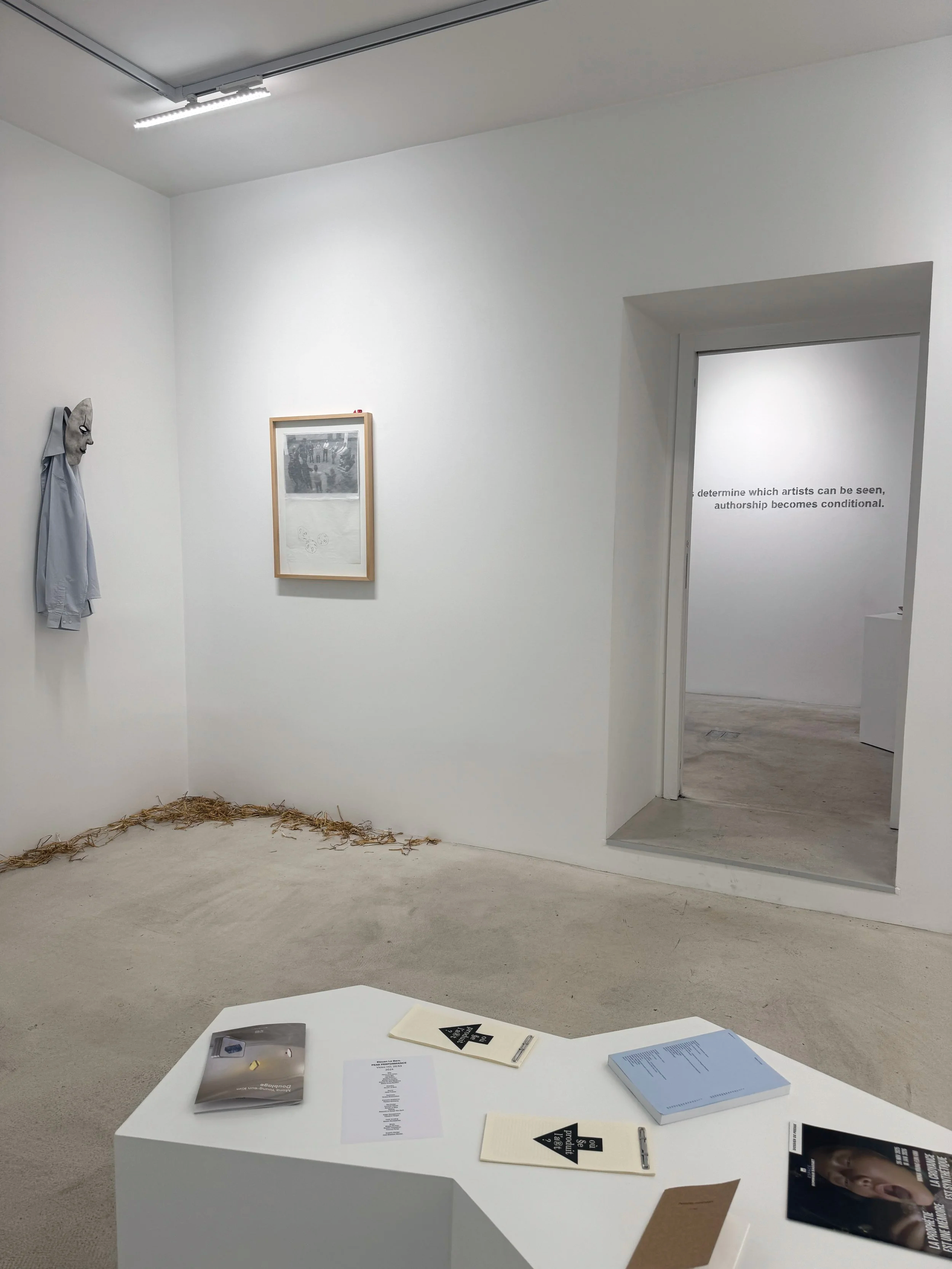
Your medical practice and the gallery occupy the same place. How do you understand the relationship between contemporary art and mental health?
I had a somewhat complicated path through medicine. My parents are doctors, and I ended up studying medicine almost by default. During my studies, I realized that I didn’t really identify with the idea of care as something purely mechanical, as an almost algorithmic process where you identify symptoms, arrive at a diagnosis and prescribe treatment. For me, care has always been something much more subtle, where everything participates.
Care isn’t simply receiving someone who is suffering from behind a desk and saying, “I’m a doctor, and I’m going to treat you.” For me, it can also mean immersing people in an environment that gives them space for imagination, awakening, externalization and psychological creativity. When someone is welcomed into a place, everything resonates: the harmony of the forms, the lighting, the sound, perhaps even smells, and particularly the stimulation created by artworks.
So you intend for the space itself to play a direct role in how someone experiences mental health care?
Exactly. I’ve worked in psychiatric departments where it was almost impossible to think of the physical environment as a place of care. Some of these buildings actually have enormous potential, but they can be so neglected and unwelcoming that, for me, it becomes counterproductive to the very idea of care. That is something I want to question here: what kind of environment are we creating around someone who comes to receive care?
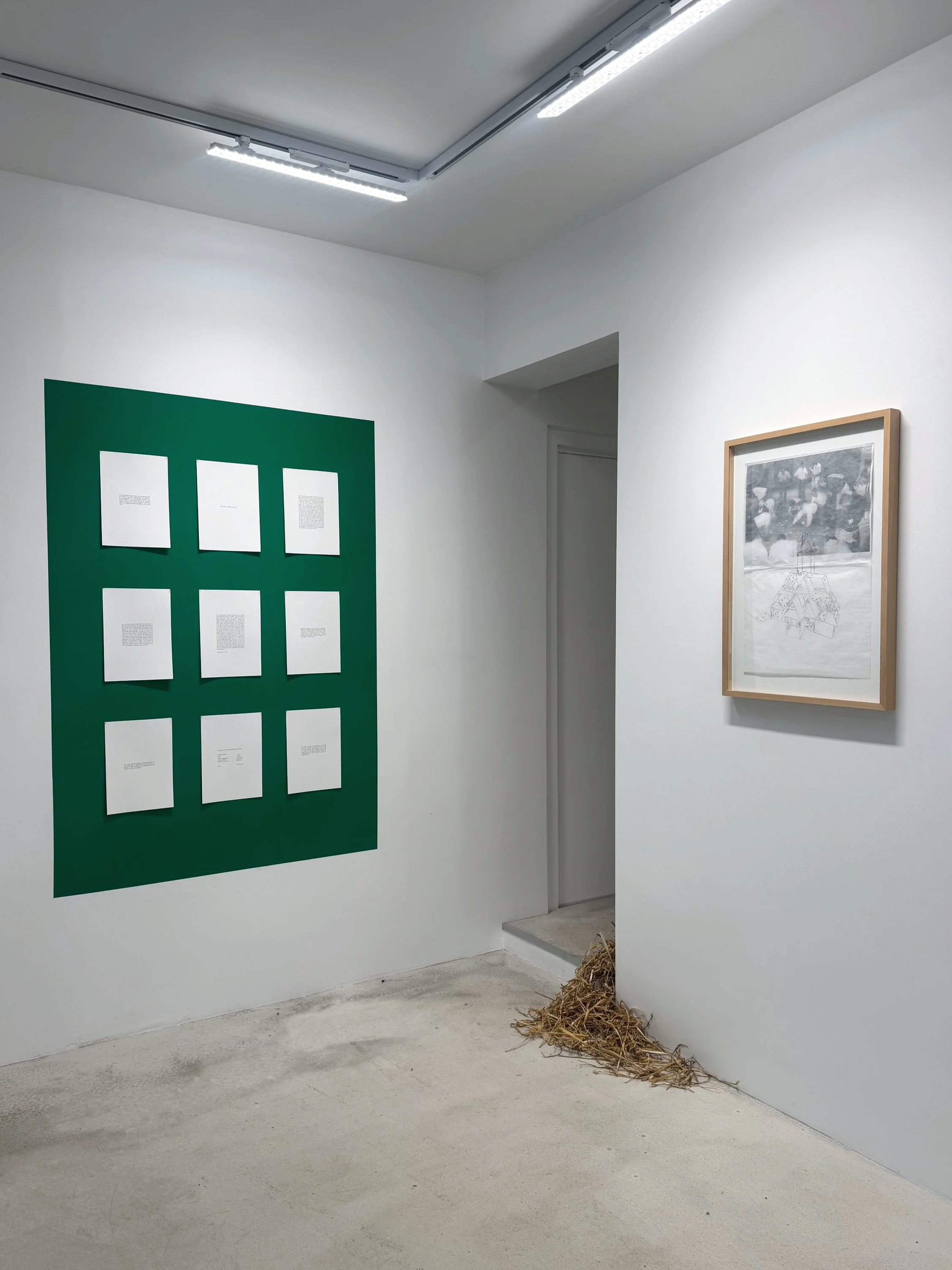
How did you approach your first exhibition?
The gallery opened in March 2026, so it is still very recent. For the inaugural exhibition, I invited two friends, Clara Lou Villechaise and Rémi Galtier. They had a very close relationship and had often worked collaboratively, so when I opened the gallery it felt completely intuitive that they should be the first artists to exhibit here.
After that, my assistant Salomé introduced me to an artist I didn’t know at all, Winca Mendy, who had an exhibition here before the summer. There isn’t necessarily one fixed formula. A lot of it comes from encounters and from what feels right for the space.
Do artworks need to explore an aspect of psychology in order to be displayed in the gallery?
Not necessarily. I’m not looking for works simply because they have an explicit relationship to psychology or the psyche. But I think, fundamentally, the works will often speak about a boundary: a region of the psyche, or a psychological space that we want to explore but don’t necessarily know how to define.
In the inaugural exhibition, for instance, there were very sticky, viscous forms that flowed and seemed not completely finished or fully formed. They continued to move while being created. They felt like things we couldn’t quite grasp as real, but which nevertheless existed. There is something in that ambiguity that interests me.
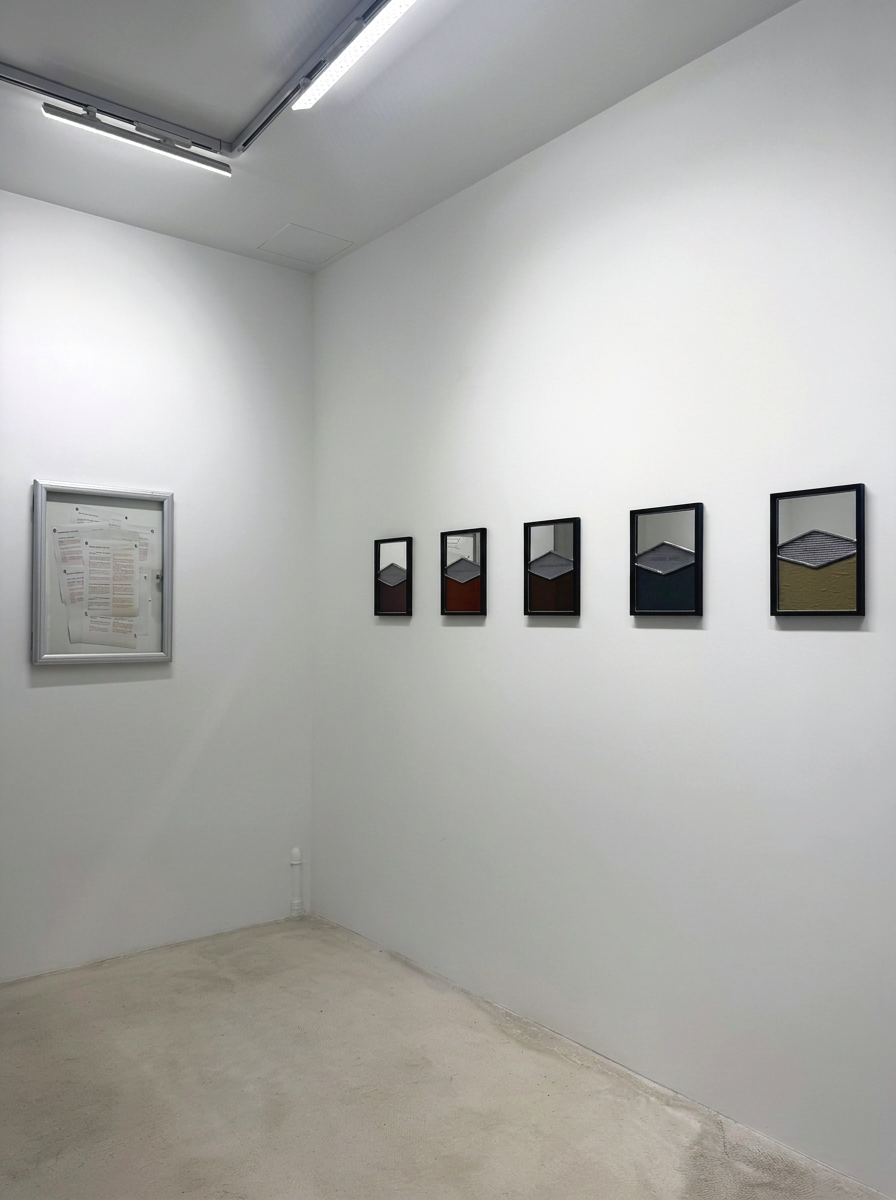
You often return to ideas of ambiguity, hybridity and boundaries. Are those central to the identity of the gallery?
Yes. More broadly, I think what will run through the exhibitions is this desire to explore the permanent boundary between reality and fiction, between dreams and reality, realities that we may not even be capable of naming or characterizing. I’m interested in hybrid forms, hybrid presences, hybrid places, and things that we can’t completely explain.
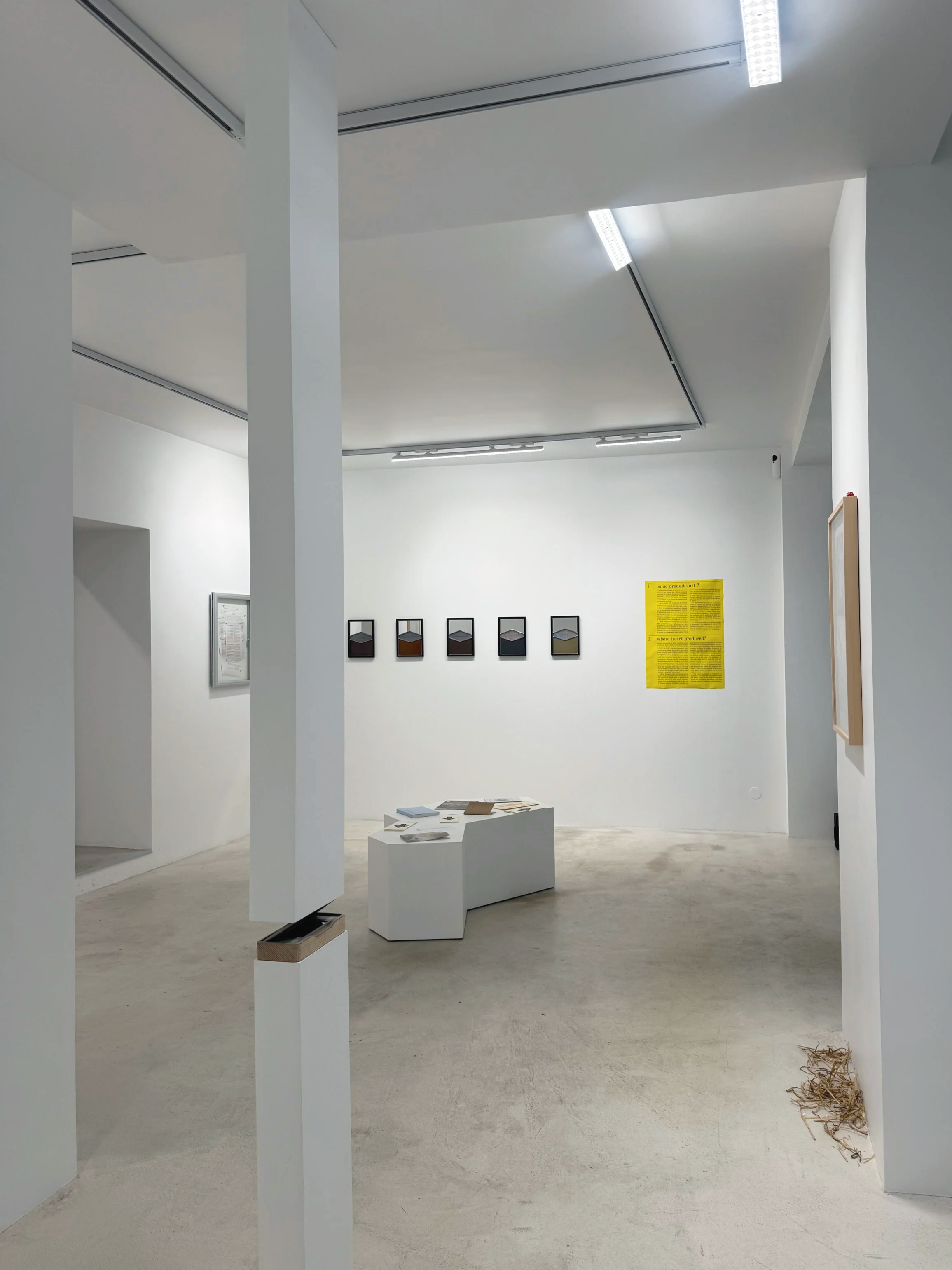
What questions does the current exhibition, où se produit l’art ?, raise about the dual identity of the space?
The curators were given carte blanche to create an exhibition while respecting the spirit of the space. They chose to work from the fact that the space alternates between being a medical office and a gallery. It raises the question of legitimacy: what is the legitimacy of the psychiatrist, and then of the gallerist, when changing roles?
From Thursday onward, I open the gallery and I can say, “I am a gallerist.” Then on Monday I return as a psychiatrist and I am no longer a gallerist, or perhaps I’m somewhere between the two.
There is also the question of the artist’s legitimacy. How is an artist chosen? Who gets to decide whether an artist will emerge or succeed? Is it the artist through their work? Is it the institution? Or is it an entire combination of things that we don’t necessarily control?
How would you like the space to develop in the future?
The exhibitions will continue, of course. There will be one final exhibition this year, and four are already planned for next year. But in the long term, I would like to go further in exploring the interaction between the medical practice and the gallery: the experience patients can have here, and perhaps even interactions between patients and a broader public.
I would also like to develop other spaces with the same essence as this first one: places centered around mental health where someone coming for care enters an environment that genuinely feels adapted to them. Something welcoming. Something worthy of the importance of mental health.


